Culture
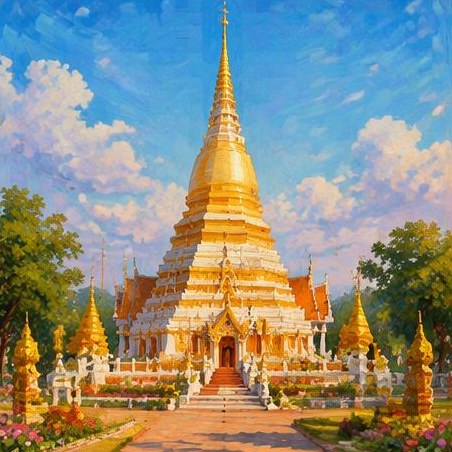
Wat Phra That Nong Bua
Ubon Ratchathani
Golden chedi modelled on Bodh Gaya.
Thailand · Isan (Northeast Thailand)
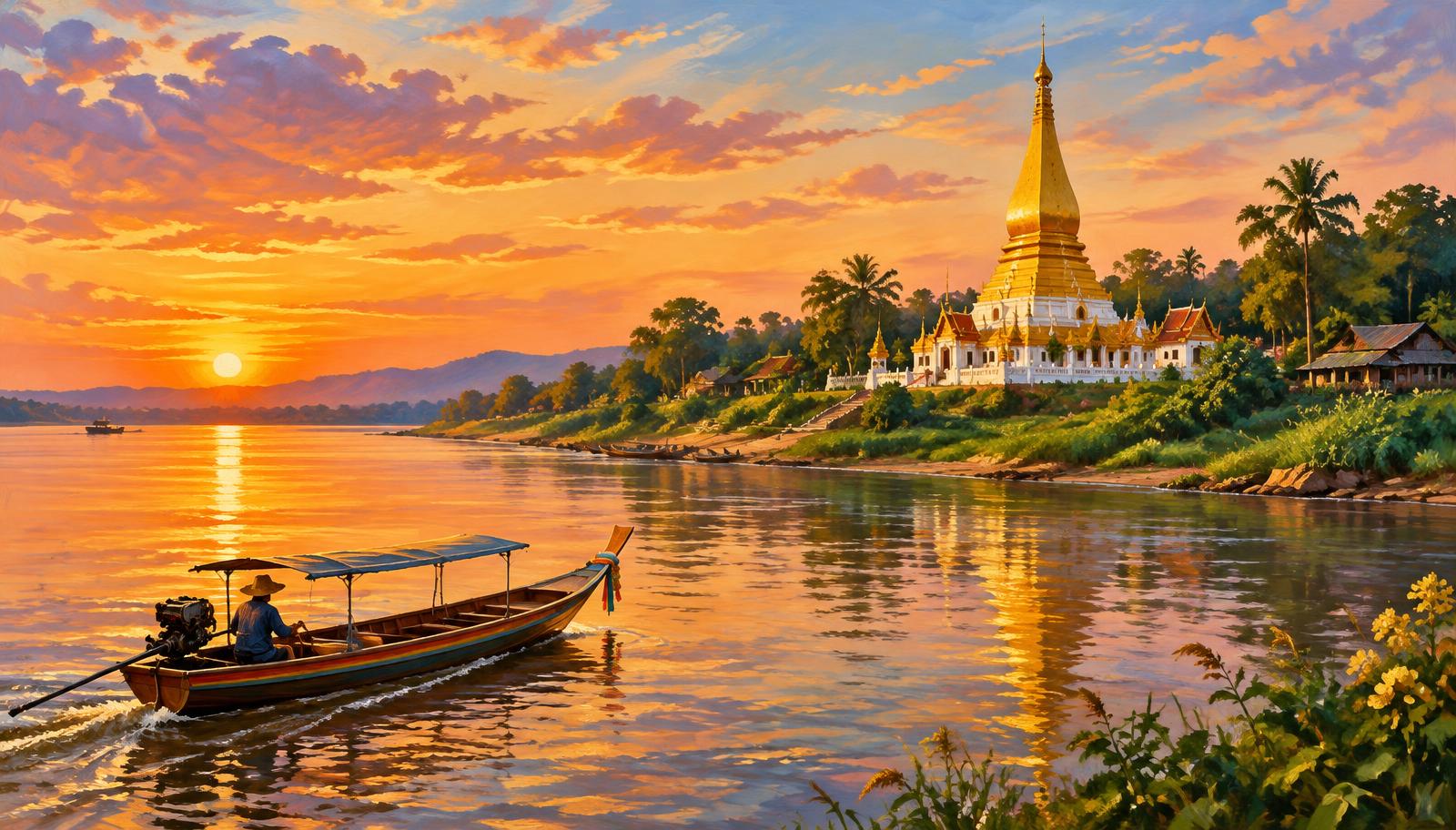
Isan’s eastern gateway on the Mekong, famous for its Candle Festival, prehistoric cliff art at Pha Taem and the sculpted rocks of Sam Pan Bok.
Plan your trip
Your destination guide
Ubon Ratchathani
Golden chedi modelled on Bodh Gaya.
Khong Chiam · about 90 km east
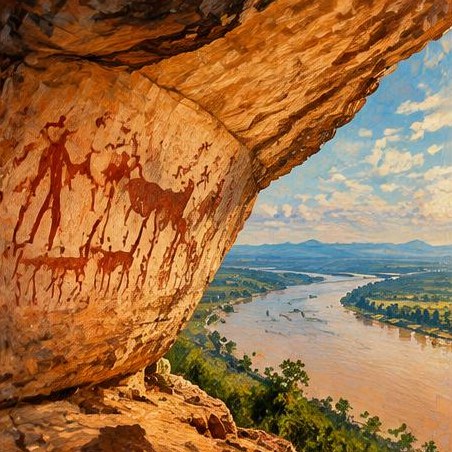
Cliff park with prehistoric paintings.
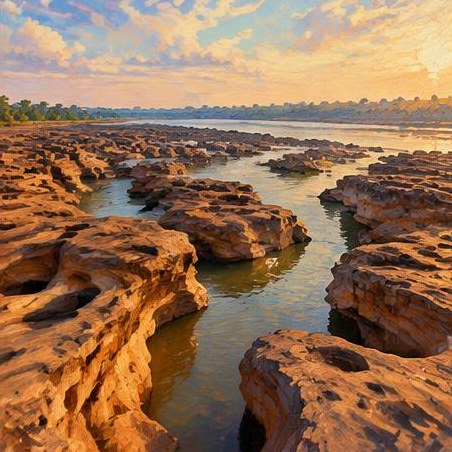
Pho Sai · about 120 km east
Sculpted Mekong rock pools at low water.
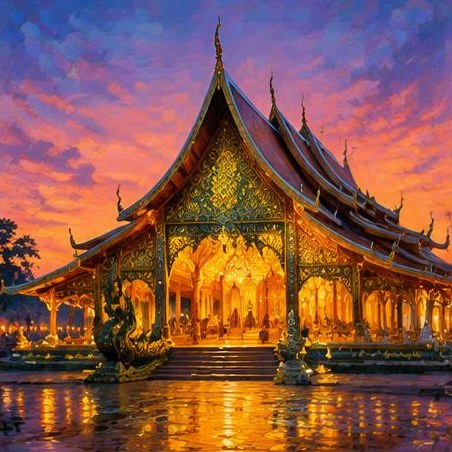
Sirindhorn · about 70 km east
Hilltop temple with a glowing mural.
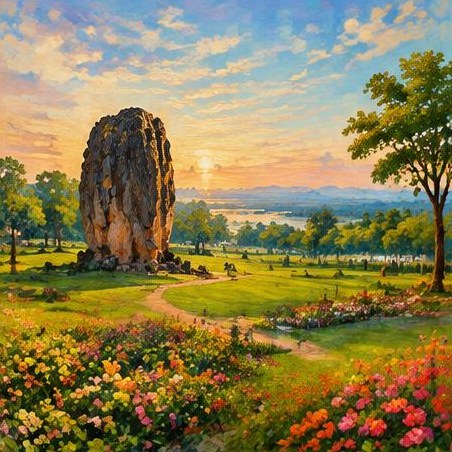
Khong Chiam
Where the Mun meets the Mekong.
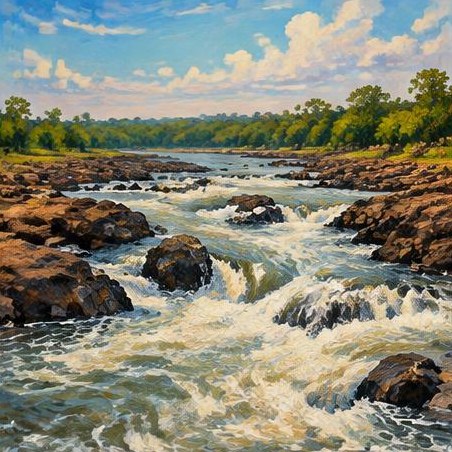
Khong Chiam
Rapids and suspension bridge on the Mun.
Ubon Ratchathani
Central park with the candle monument.
About 12 km south
Forest monastery of Ajahn Chah.
Ubon Ratchathani
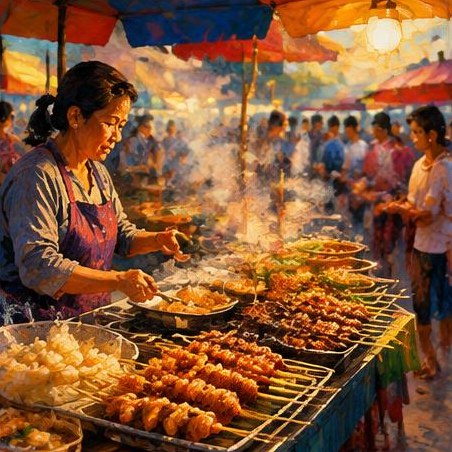
Evening food and goods stalls.
Ubon Ratchathani
Buses to Bangkok and across Isan.
Warin Chamrap · across the Mun
Trains to Bangkok, including overnight sleepers.
Loading Ubon Ratchathani map…
Map locations are approximate. Nearby excursions are labelled; check venue access, opening days and sea conditions before visiting.
Don’t miss
The city’s landmark temple with a great golden chedi modelled on Bodh Gaya.
Cliff-top park above the Mekong with 3,000-year-old rock paintings.
The “Grand Canyon of the Mekong” — thousands of sculpted rock pools at low water.
A hilltop temple whose glowing tree mural lights up at dusk.
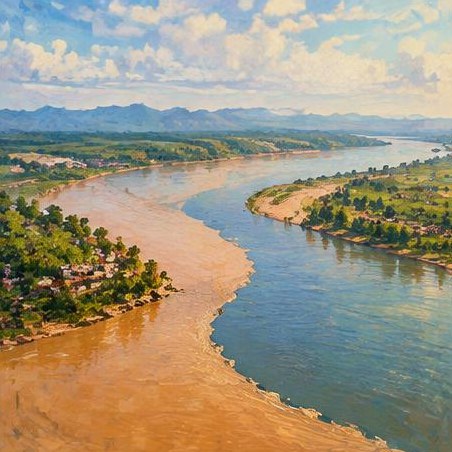
Where the blue-green Mun river meets the brown Mekong.
Rapids, suspension bridge and forest trails on the Mun river.
The city’s central park with the Candle Festival monument.
A huge reservoir with floating restaurants and sunset views.
Evening stalls with Isan food, clothes and handicrafts.
The forest monastery of Ajahn Chah, a quiet place of meditation.
Heritage & traditions
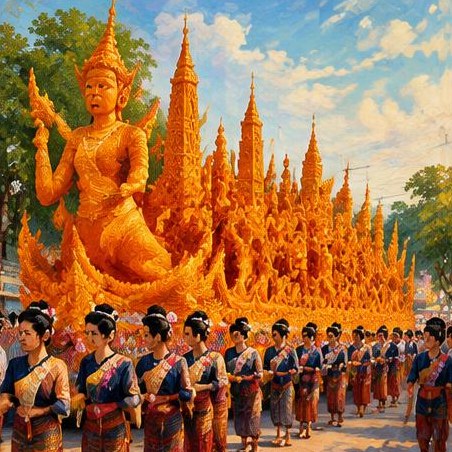
At the start of Buddhist Lent in July, giant carved wax sculptures parade through the city.
Ubon is the heartland of Thailand’s forest monastic tradition, home of Ajahn Chah’s lineage.
Red-ochre paintings of fish, hands and figures line the Mekong cliffs.
Fishing, boat races and riverside markets shape life along the border river.
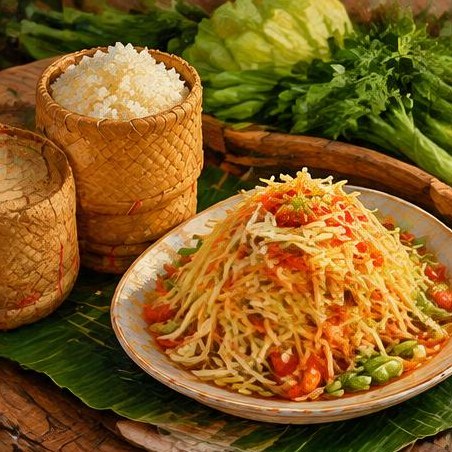
Sticky rice, som tam, mok pa and Mekong river fish at every market.
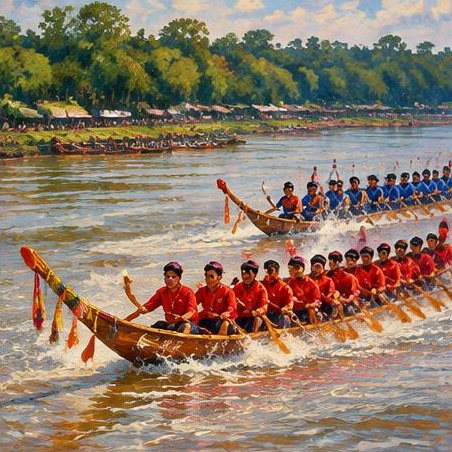
Crews race on the Mun river at the end of Buddhist Lent.
The Mun, Isan’s longest river, has fed rice farming here for centuries.
Khao Phansa candle offerings began here and spread across Thailand.
Markets sell Lao and Vietnamese goods brought over the Mekong crossings.
Village weavers produce mudmee cloth sold at city markets.
Ubon sits on the Mun river near its meeting with the Mekong; the east of the province is sandstone plateau cut by the great border river.
Cool and dry November to February, very hot March to May, rainy May to October. Sam Pan Bok is best seen in the dry season when the rocks emerge.
Ubon blends Lao, Khmer and Thai heritage, and is renowned for its candle artistry and forest temples.
Cover shoulders and knees, remove shoes where requested and speak quietly. Ask before photographing people or ceremonies.
The night market and the riverside promenade at Thung Si Mueang are the main evening spots.
Try som tam, gai yang, Mekong fish and khao ji (grilled sticky rice) at the night market.
Trains from Bangkok take about 8–10 hours; overnight sleepers are popular. Buses from Mo Chit take 8–9 hours. Several daily flights from Bangkok take about 1 hour.
Songthaews and tuk-tuks cover the city. Hire a car or join a tour for Pha Taem, Sam Pan Bok and Khong Chiam.