Attractions
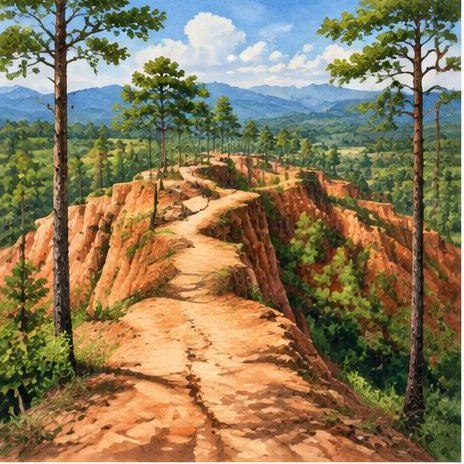
Pai Canyon
Pai
Narrow ridges with sunset views; wear shoes you can grip with.
Thailand · Mae Hong Son · Northern Thailand
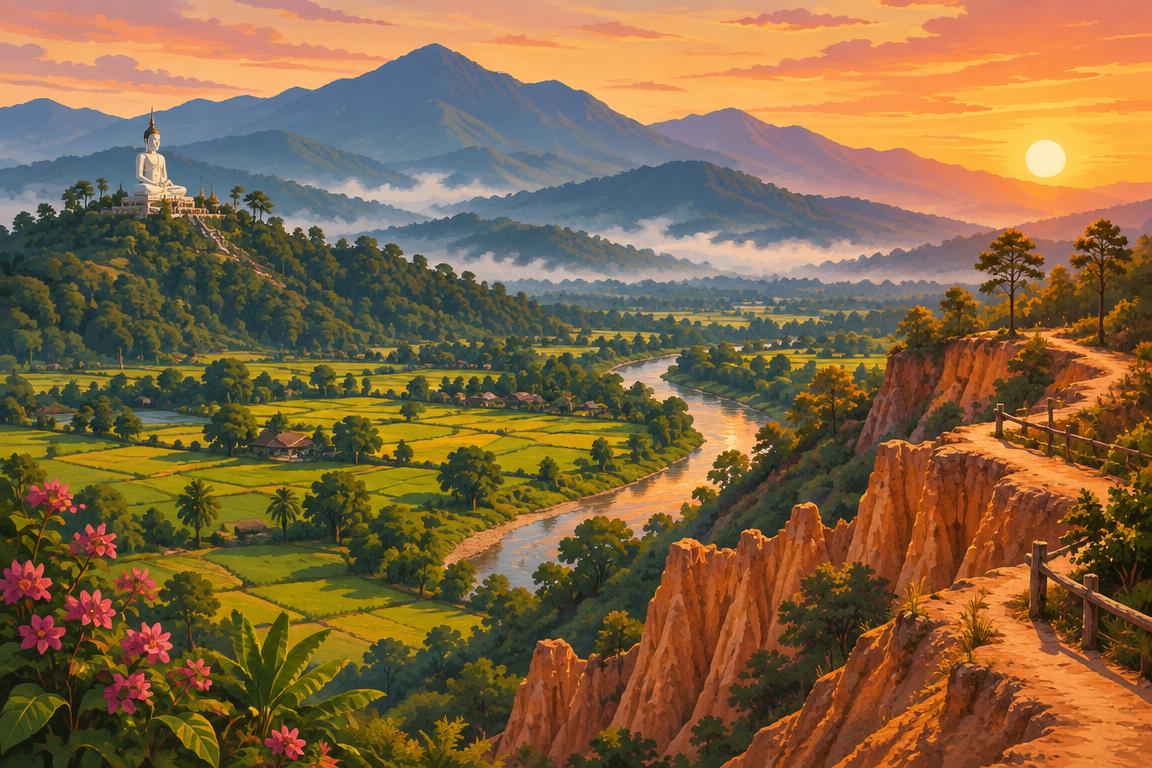
A relaxed valley town in the mountains northwest of Chiang Mai, with canyons, waterfalls, hot springs and a lively walking street.
Plan your trip
Your destination guide
Pai
Narrow ridges with sunset views; wear shoes you can grip with.
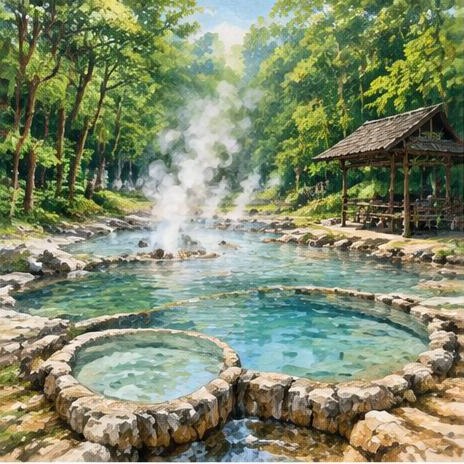
Nearby · 8 km northwest
Hot springs in Huai Nam Dang National Park.
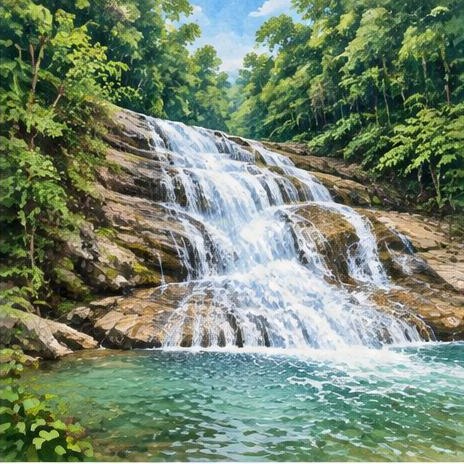
Mae Na Toeng · northwest
Wide waterfall with swimming pools.
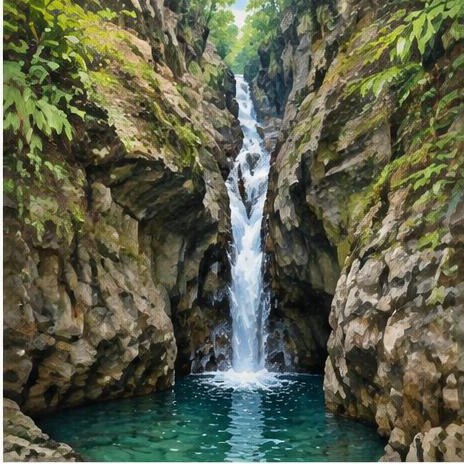
Pai
Shaded waterfall in a narrow gorge.
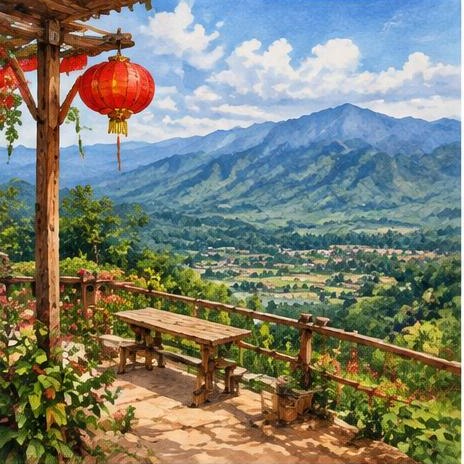
Chinese village hillside
Viewpoint above the valley.
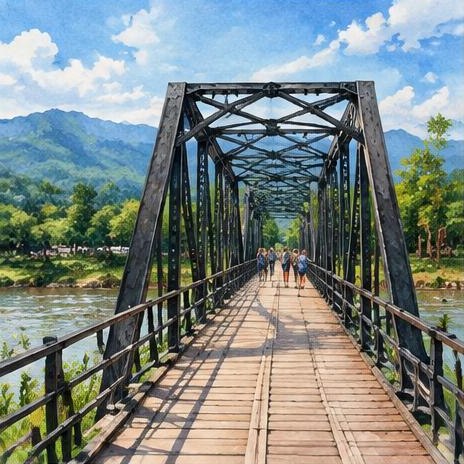
East of town · Route 1095
WWII-era steel bridge.
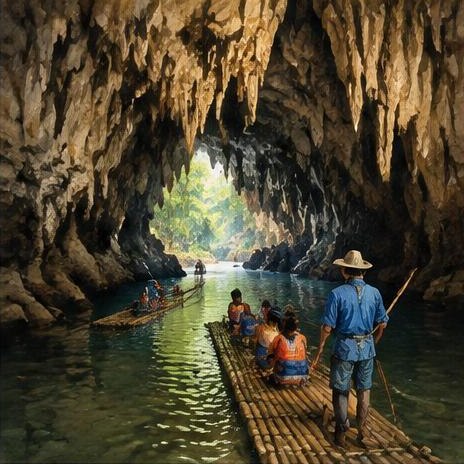
Pang Mapha · about 45 km
Large river cave explored by raft with a local guide.
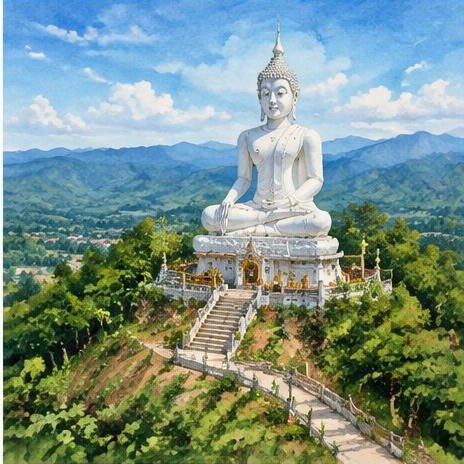
South of town
Hilltop Buddha with valley views.
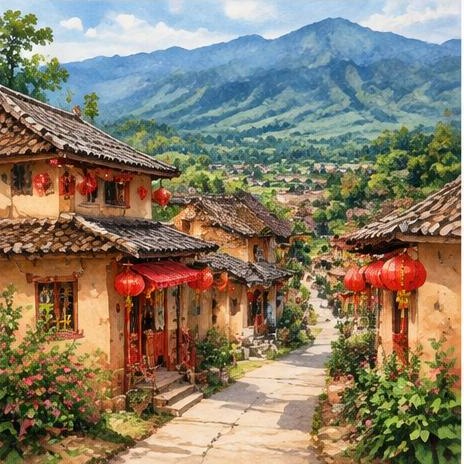
West of town
Yunnanese-style village with tea houses.
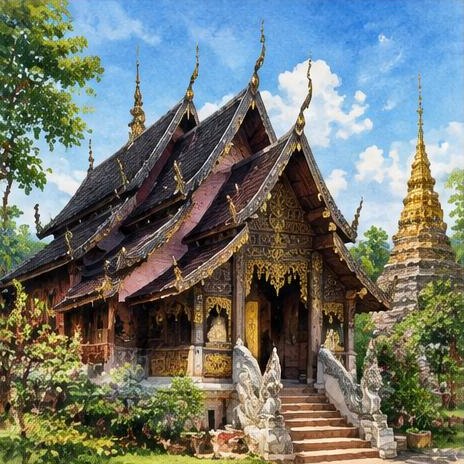
North of town
Old temple with a revered Buddha image.
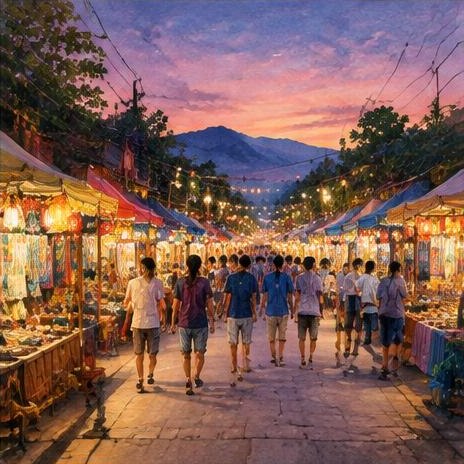
Pai
Nightly market along the main street.
Pai
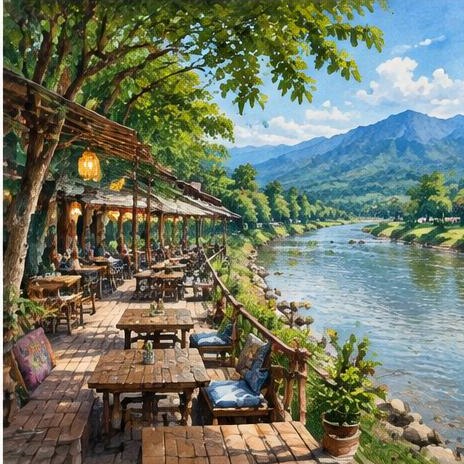
Cafés, bars and live music around the town centre.
Pai
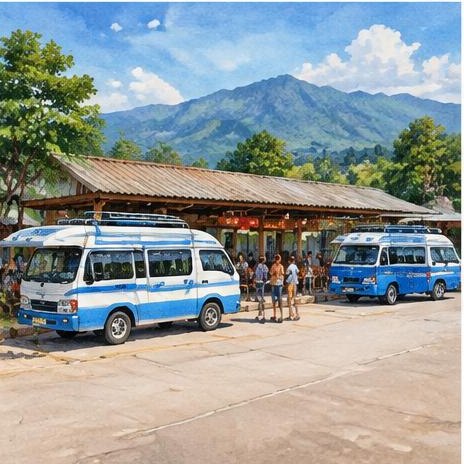
Minivans and buses to Chiang Mai and Mae Hong Son.
Pai
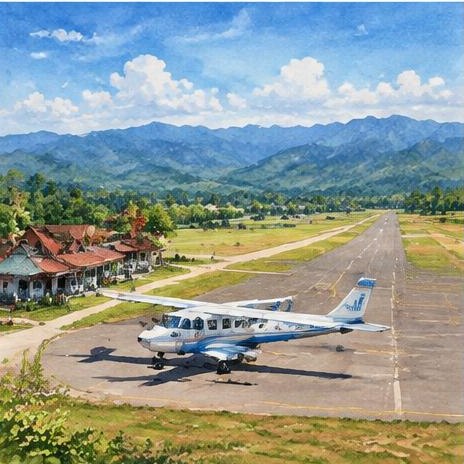
Small airport; check current flight services before relying on one.
Loading Pai map…
Map locations are approximate. Nearby excursions are labelled; check venue access, opening days and sea conditions before visiting.
Don’t miss
Narrow sandstone ridges with sunset views; watch your footing on the edges.
Hot springs in Huai Nam Dang National Park, about 8 km from town.
A wide waterfall with natural pools for swimming.
A shaded waterfall in a narrow gorge a short ride from town.
A viewpoint above the valley reached through the Chinese village.
A hilltop white Buddha with wide valley views.
A Yunnanese-style village with tea houses and clay-oven bakes.
A WWII-era steel bridge on the main road east of town.
Nightly market along the main street with food and crafts.
A large river cave with stalactites and swifts in Pang Mapha, about 45 km away.
Heritage & traditions
The valley has become known for small galleries, bakeries and coffee roasters.
Tea houses, clay-oven bakes and Yunnanese food at the village.
Pai’s temples reflect the Shan (Tai Yai) culture of the borderlands.
Nearby communities; visit with a respectful local guide.
Valley farms sell strawberries and jams in the cool season.
Khao soi, sai ua and market food at the walking street.
Quiet river runs on bamboo rafts, a long-standing local craft.
Shan novice-ordination ceremonies are celebrated at Pai’s temples in spring; dates vary by temple.
An old temple with a revered Buddha image; check access and etiquette.
Rice fields and buffalo across the valley; keep to paths and ask before entering fields.
Pai sits in a small valley of the Pai River about 110 km northwest of Chiang Mai, surrounded by ridges and rice fields in Mae Hong Son province.
Cool and clear from November to February, with cold nights; hot from March to May, when smoke haze can appear; rainy from May to October.
Shan, Yunnanese Chinese, Karen, Lisu and northern Thai communities shape Pai’s temples, food and villages.
Cover shoulders and knees, remove shoes where requested and speak quietly. Ask before photographing people or ceremonies.
Pai is known for small cafés, bakeries and live-music bars around the walking street; evenings are relaxed rather than rowdy.
Khao soi, sai ua, mountain stews and Yunnanese dishes at the walking street and small family restaurants.
Minivans and buses cross the 762-curve mountain road from Chiang Mai in about 3–4 hours. Flights have been limited in recent years, so check current services before planning around one.
Scooters and bicycles are the usual way to reach waterfalls and viewpoints; mountain roads need care, and helmets are not optional.