Culture
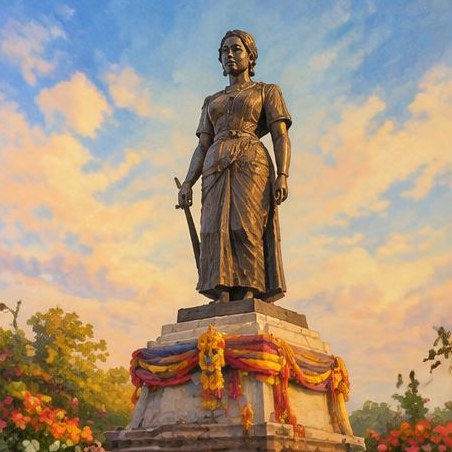
Thao Suranari Monument
Nakhon Ratchasima
Statue of the city’s heroine.
Thailand · Isan (Northeast Thailand)
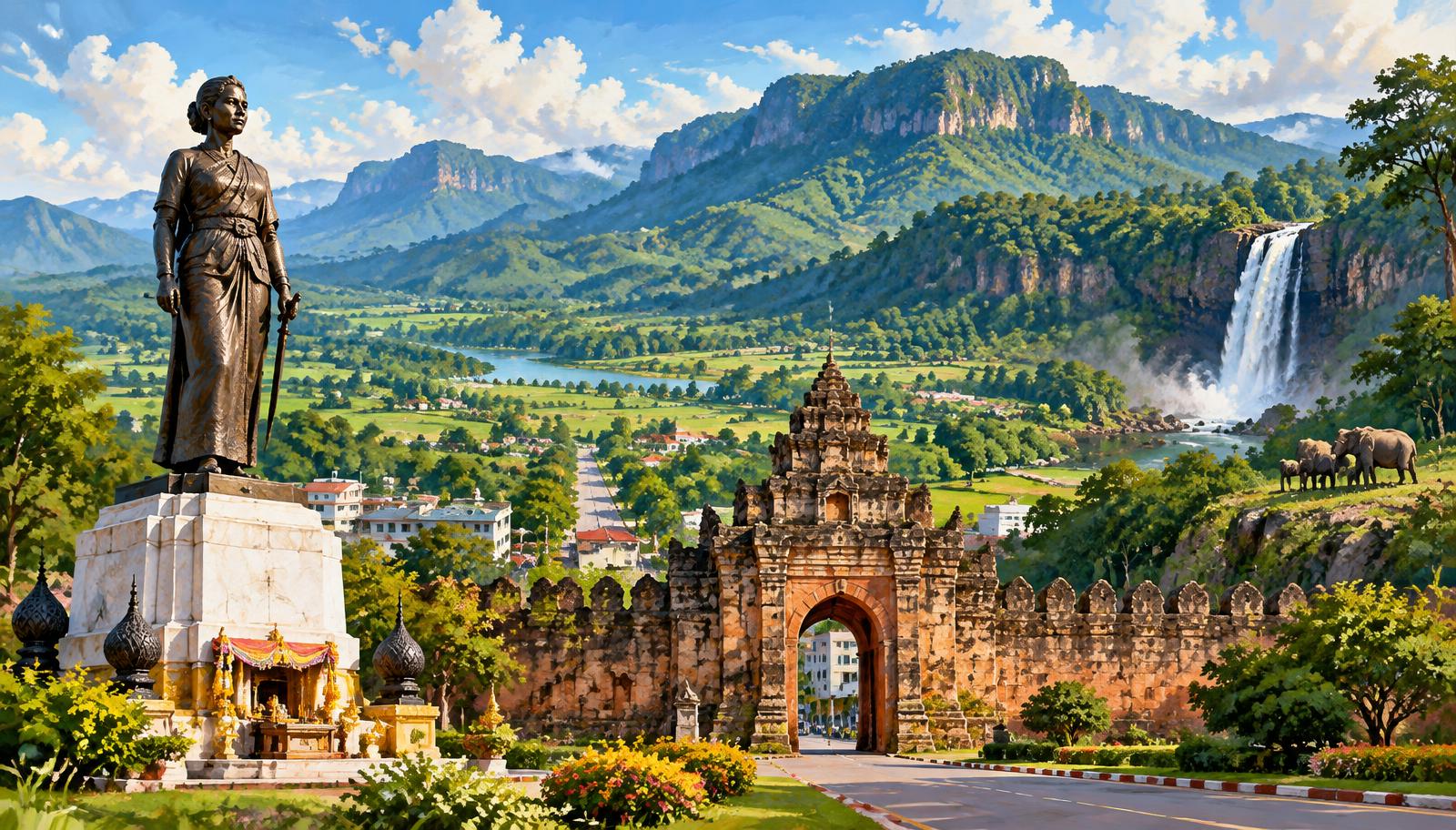
Korat, the gateway to Isan: a big historic city with the Thao Suranari monument, Phimai’s Khmer sanctuary and Khao Yai’s forests on its doorstep.
Plan your trip
Your destination guide
Nakhon Ratchasima
Statue of the city’s heroine.
Nakhon Ratchasima
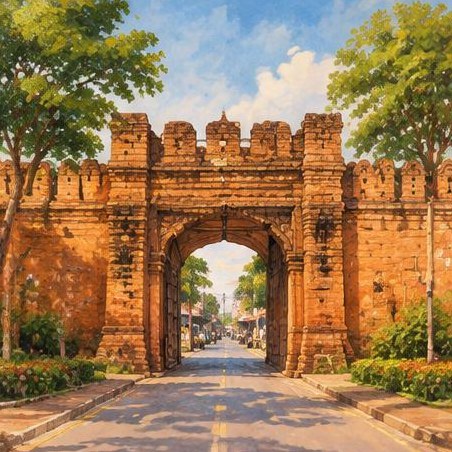
Last gate of the old city walls.
Phimai · about 60 km northeast
Great Khmer temple complex.
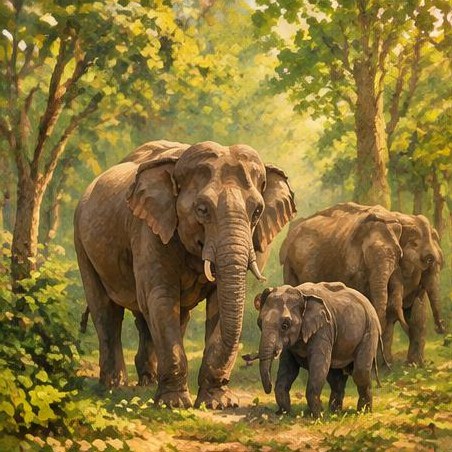
Pak Chong · about 90 km southwest
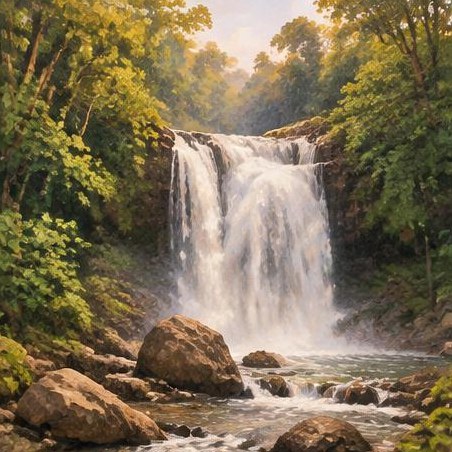
Waterfalls, elephants and forest.
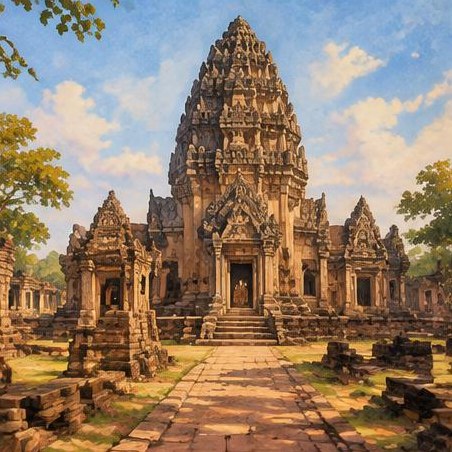
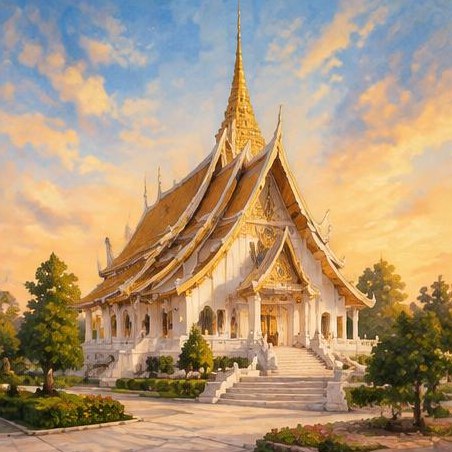
Nakhon Ratchasima
Modern temple shaped like a junk.
Near Phimai
Interwoven banyan trees.
Sikhiu · about 60 km southwest
Mountain-ringed reservoir.
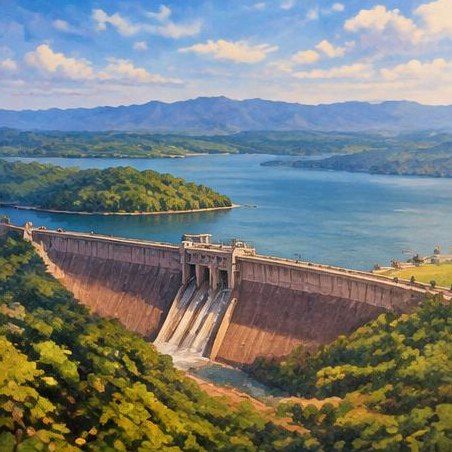
Pak Chong
Dairy ranch with farm tours.

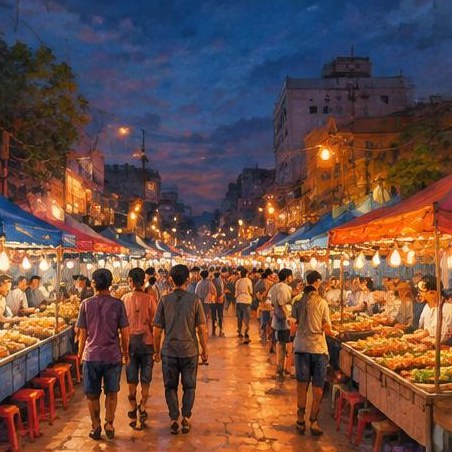
Nakhon Ratchasima
Evening food stalls.

Nakhon Ratchasima
Trains to Bangkok and across Isan.
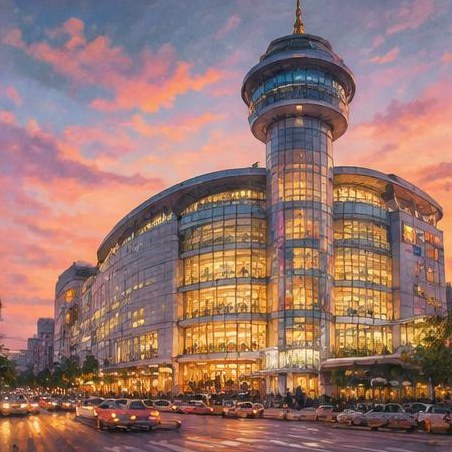
Nakhon Ratchasima
Buses to Bangkok and the northeast.
Loading Nakhon Ratchasima map…
Map locations are approximate. Nearby excursions are labelled; check venue access, opening days and sea conditions before visiting.
Don’t miss
The city’s beloved statue of the heroine who saved Korat in 1826.
The last standing gate of the old city walls.
A majestic Khmer temple complex older than Angkor Wat.
Thailand’s oldest national park: waterfalls, elephants and mountain forest.
A striking modern temple shaped like a Chinese junk.
A mystical grove of interwoven banyan trees near Phimai.
A mountain-ringed reservoir on the road to Khao Yai.
A working dairy ranch with cowboy shows and farm tours.
Evening stalls with Isan food near the city centre.
A huge white Buddha seated on a forested mountain.
Heritage & traditions
Grandma Mo led the city’s defence in 1826; her festival fills the streets each spring.
Phimai was a major Khmer city on the Angkor highway a thousand years ago.
Pak Thong Chai is famous for its handwoven silk.
Korat-style papaya salad, grilled chicken and sticky rice are local staples.
Riverside village kilns fire the region’s distinctive rust-coloured ceramics.
The park protects elephants, hornbills and gibbons an hour from the city.
Korat’s old walls and gates recall its role as Siam’s eastern fortress.
Bun Bang Fai rockets are launched for rain across the plateau.
Temples mark Khao Phansa with candle processions.
Isan folk song thrives at temple fairs and festivals.
Korat city sits where the Korat Plateau meets the mountains of Khao Yai, at the head of the Mun river plain.
Cool and dry November to February, hot March to May, rainy May to October. Khao Yai is cooler than the city year-round.
For centuries Korat guarded Siam’s northeastern frontier; its heroine, walls and Khmer past still define it.
Cover shoulders and knees, remove shoes where requested and speak quietly. Ask before photographing people or ceremonies.
The night market, the streets around the monument and the malls along Mittraphap Road are the main evening scenes.
Try Korat som tam, kai yang and pad mee Korat — the local noodle dish.
Trains from Bangkok take 4–5 hours; buses from Mo Chit about 3–4 hours. Minivans run to Pak Chong and Khao Yai.
Songthaews and tuk-tuks cover the city. Hire a car or join a tour for Khao Yai and Phimai.