Attractions
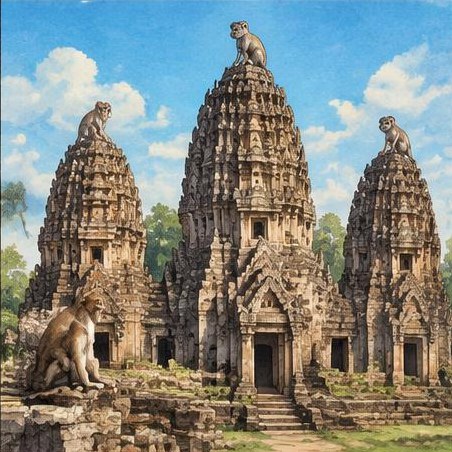
Phra Prang Sam Yot
Lopburi
Khmer prangs with the town’s famous monkeys.
Thailand · Central Thailand
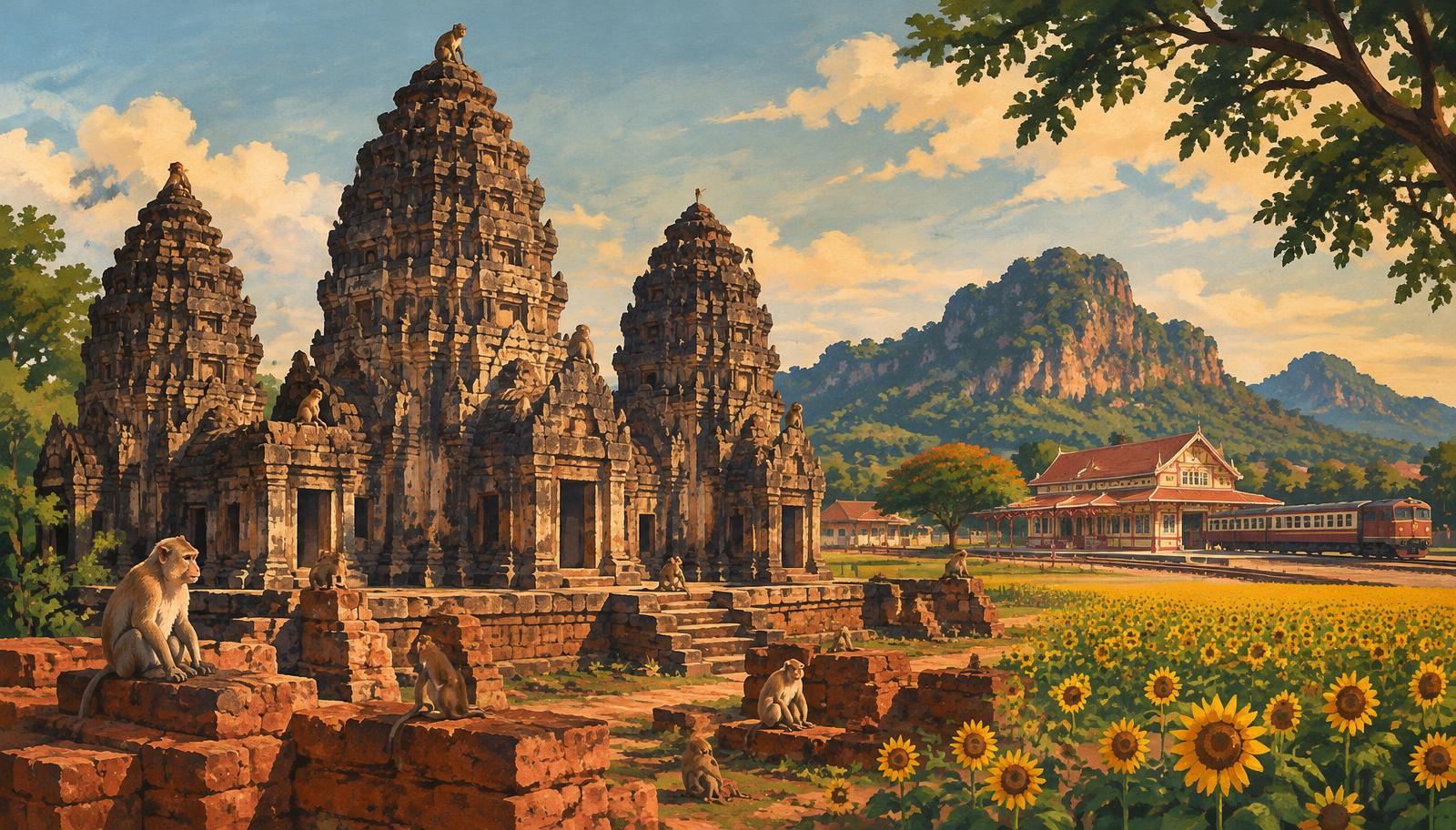
One of Thailand’s oldest towns, famous for Khmer prangs, its macaques, King Narai’s 17th-century palace and huge sunflower fields.
Plan your trip
Your destination guide
Lopburi
Khmer prangs with the town’s famous monkeys.
Lopburi
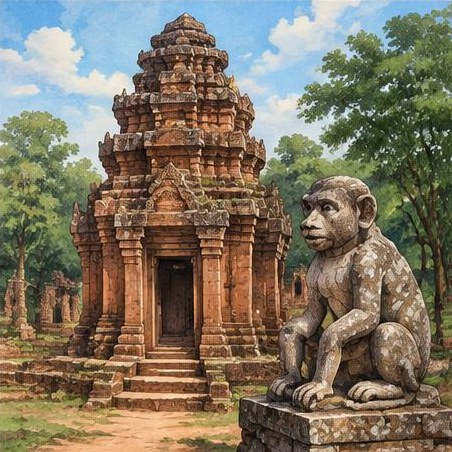
Laterite shrine with a modern pavilion.
Lopburi
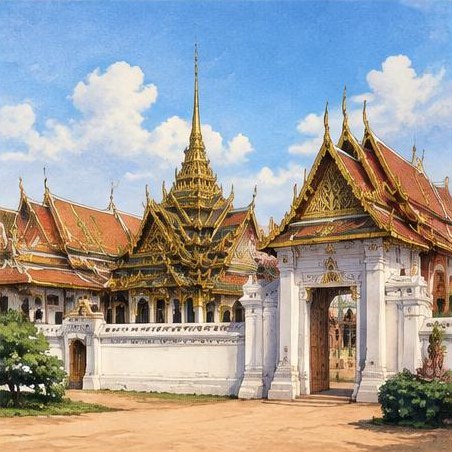
17th-century royal palace remains and museum.
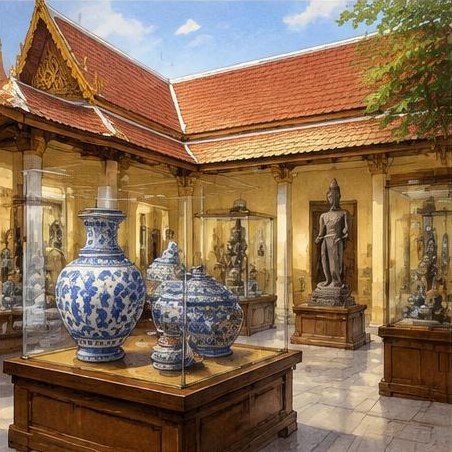
Lopburi
Museum of finds from Dvaravati to Ayutthaya.
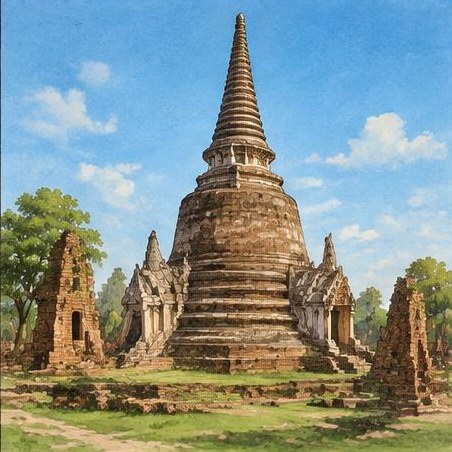
Lopburi
Ancient temple with a tall chedi.
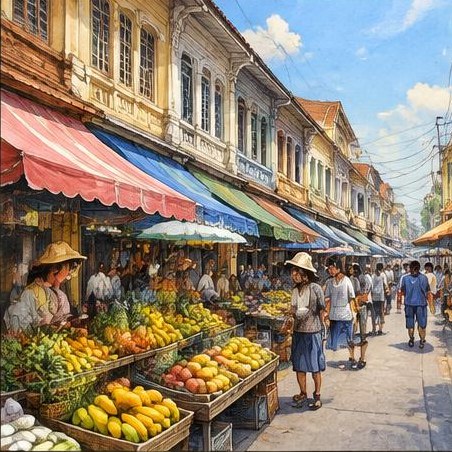
Lopburi
Street market between the ruins and the river.
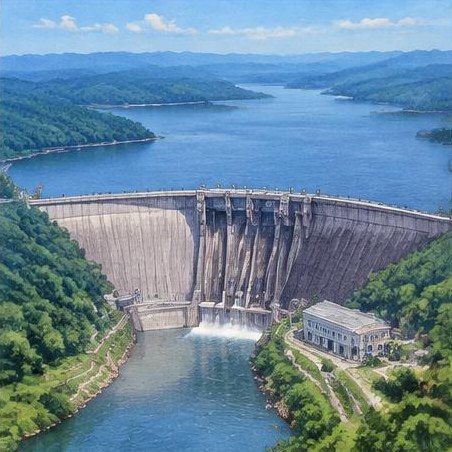
About 60 km east
Thailand’s longest earth dam; wide reservoir views.
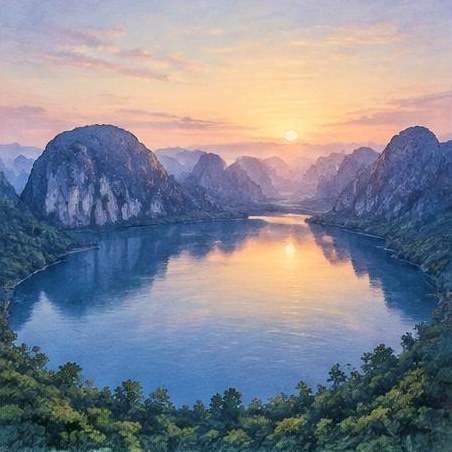
About 45 km northeast
Round lake under a limestone mountain.
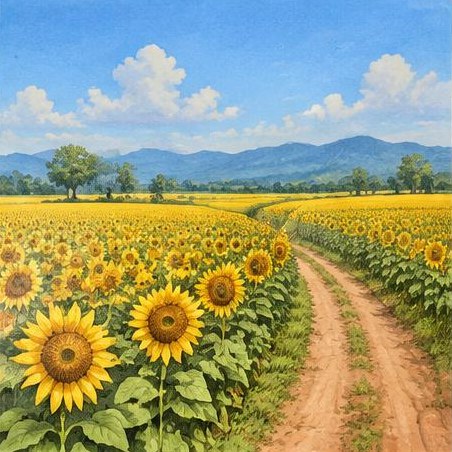
Phatthana Nikhom
Sunflowers bloom November to January.
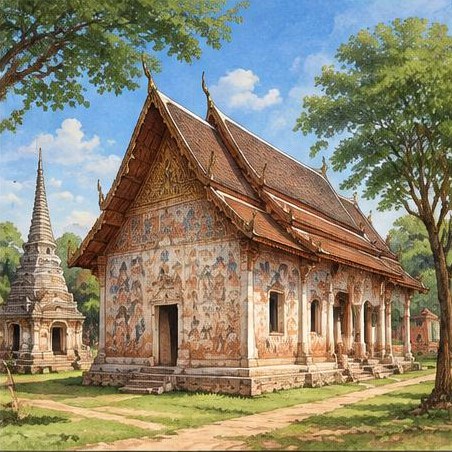
Ban Mi · about 30 km north
Countryside temple with old murals.
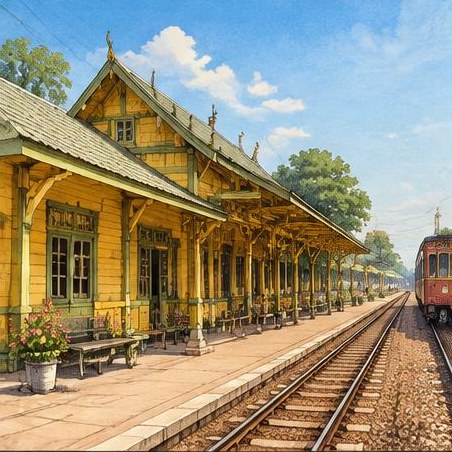
Lopburi
Historic station on the northern line.
Lopburi
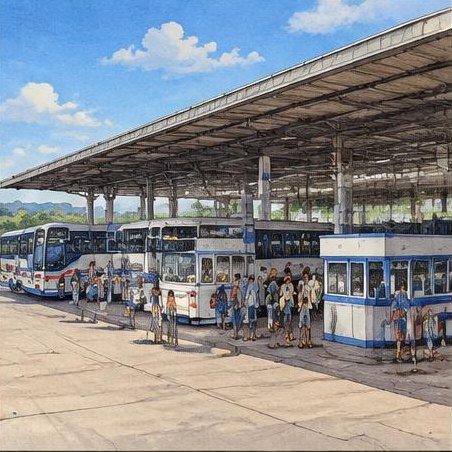
Intercity buses and minivans to Bangkok and the north.
Loading Lopburi map…
Map locations are approximate. Nearby excursions are labelled; check venue access, opening days and sea conditions before visiting.
Don’t miss
Khmer-style prang towers watched over by the town’s monkeys; keep bags zipped.
Old laterite shrine beside the prang, with a modern monkey-guarded pavilion.
Remains of King Narai’s 17th-century palace, now a national museum area.
Ancient temple with a tall bell-shaped chedi near the railway line.
Museum inside the palace grounds with Dvaravati to Ayutthaya finds.
Thailand’s longest earth dam, with viewpoints over a vast reservoir.
A calm lake ringed by a limestone mountain, especially pretty at dawn.
Golden sunflower fields bloom from November to January.
A hilltop climb of nearly 3,900 steps with sweeping valley views.
One of Thailand’s oldest stations, opened in 1897, with a handsome wooden hall.
Heritage & traditions
Late each November the town lays giant fruit spreads for its macaques.
A February fair of historical performances and food at the palace.
Three small Khmer prangs standing in the town centre.
The Tai Yuan community of Ban Mi weaves distinctive khok cushions.
A countryside temple with Ayutthaya-era wall paintings.
Lopburi was King Narai’s royal seat in the 17th century, open to French envoys.
Shophouses and market stalls between the ruins and the river.
Lao-Wiang villages settled here generations ago; visit respectfully.
Monks on alms rounds and quiet halls on the river distributary.
The province’s fine chalk earth gives its salted eggs and sweets their fame.
Lopburi sits on the Pa Sak river plain, with limestone ranges rising in the west and the huge Pasak reservoir to the east.
Hot year-round; November to February is most comfortable and sunflower season. Rainy season runs roughly May to October.
Settled since Dvaravati times, Lopburi became Siam’s second capital under King Narai and keeps Khmer, Ayutthaya and Lao-Wiang layers.
Cover shoulders and knees, remove shoes where requested and speak quietly. Ask before photographing people or ceremonies.
The town is calm; night market stalls near the ruins and quiet riverside eateries are the main evening options.
Try salted eggs, coconut-jelly mushrooms, khao chae-style Central Plains dishes and Thai-Lao food in Ban Mi.
Trains from Bangkok take about 2–2.5 hours on the northern line. Buses and minivans run from Mo Chit, roughly 3–4 hours.
Songthaews and samlors cover the town. Hire a car or driver for the dam, sunflower fields and hill climbs.