Attractions
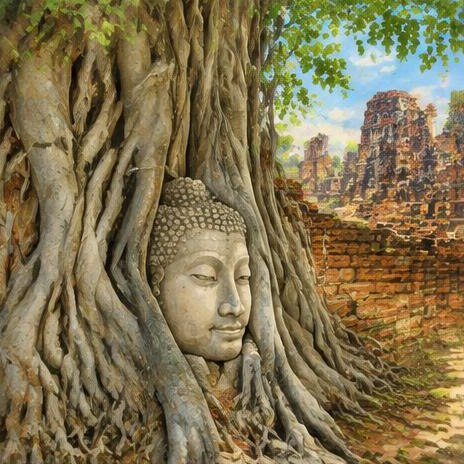
Wat Mahathat
Ayutthaya
Temple ruins with the famous Buddha head in tree roots.
Thailand · Central Thailand
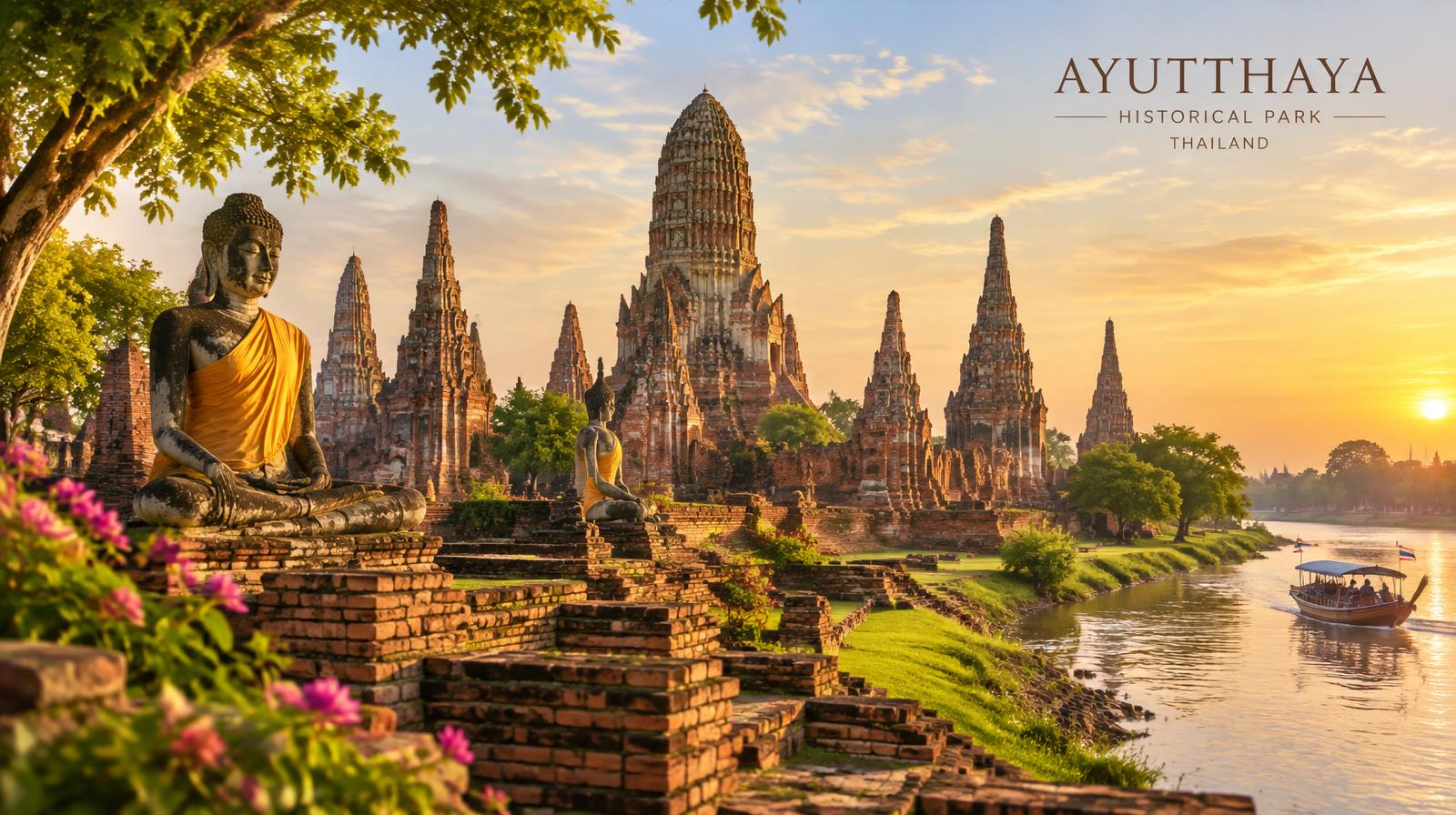
Temple ruins of the old Siamese capital on a river island, an easy trip north of Bangkok.
Plan your trip
Your destination guide
Ayutthaya
Temple ruins with the famous Buddha head in tree roots.
Ayutthaya
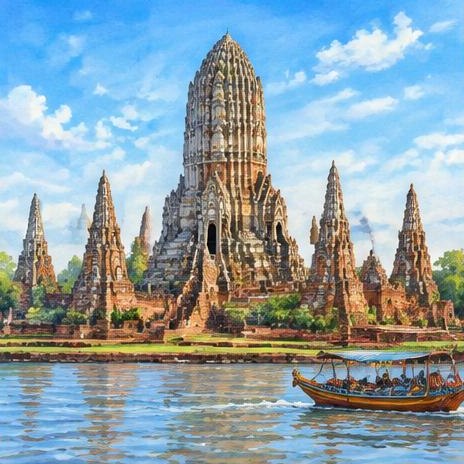
Khmer-style riverside ruins, popular at sunset.
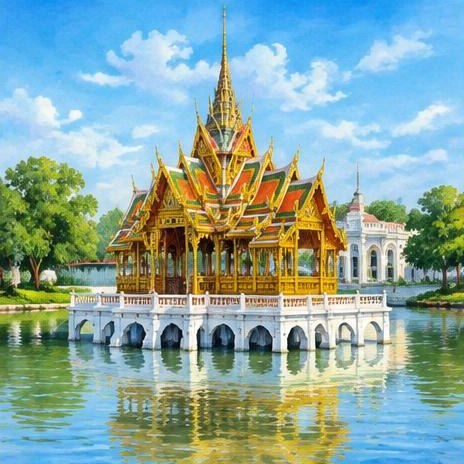
Bang Pa-In · 20 km south
Royal summer palace south of the city; dress code applies.
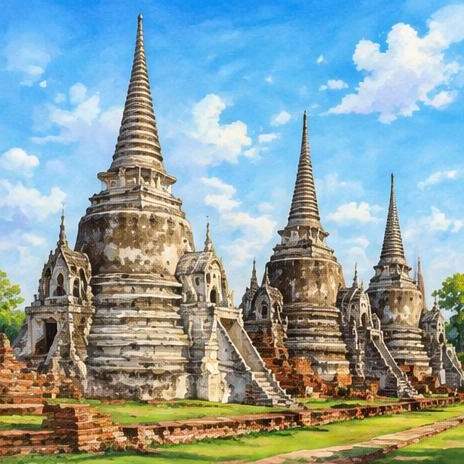
Ayutthaya
Three restored chedis of the former royal temple.
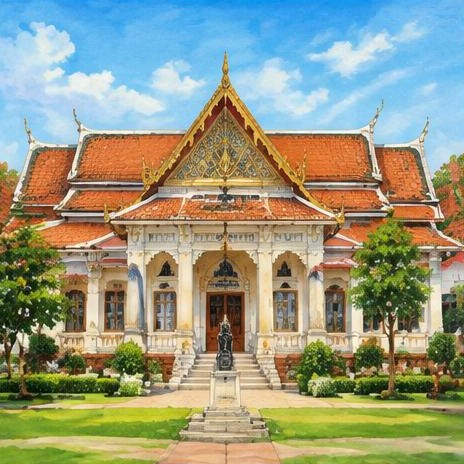
Ayutthaya
Museum of gold treasures and artefacts from the old capital.
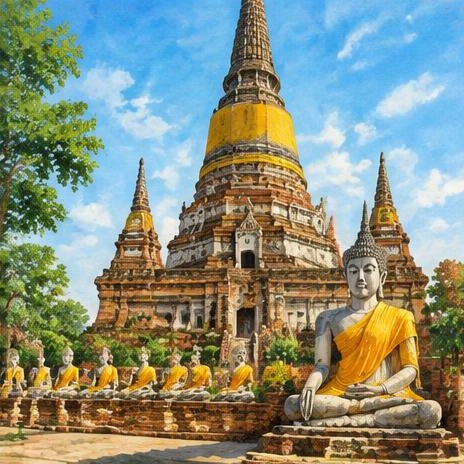
Ayutthaya
Active temple with a tall chedi and seated Buddhas.
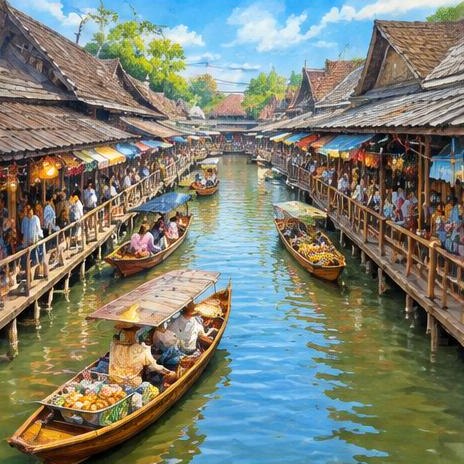
Ayutthaya
Tourist market on water with snacks, crafts and shows.
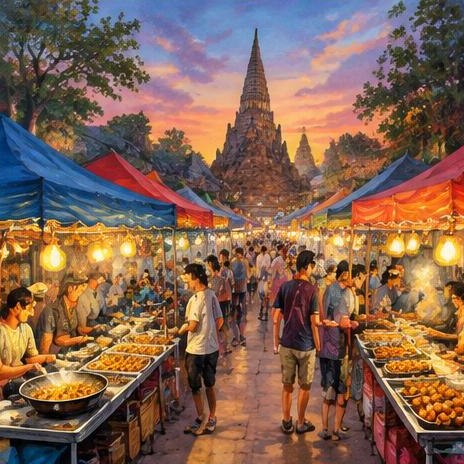
Ayutthaya
Evening food stalls near the historical park.
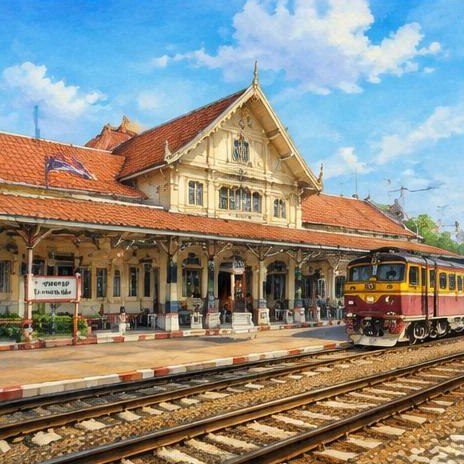
Ayutthaya
Station on the northern line with frequent trains to Bangkok.
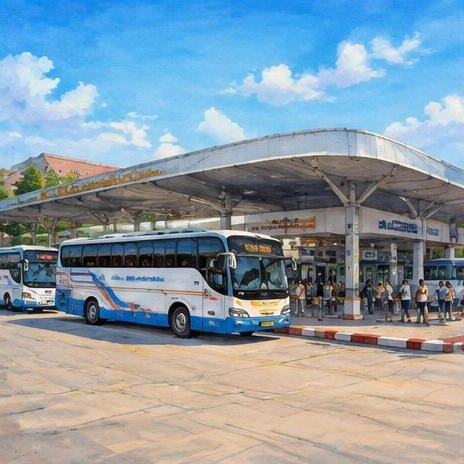
Ayutthaya
Intercity terminal for buses and vans, including routes north and to Bangkok.
Loading Ayutthaya map…
Map locations are approximate. Nearby excursions are labelled; check venue access, opening days and sea conditions before visiting.
Don’t miss
Famous for the Buddha head entwined in tree roots; keep your head lower than it in photos.
Three restored chedis that once formed the royal temple of the old palace.
Khmer-style riverside temple ruins, beautiful in late afternoon light.
Tall central prang you can partly climb, with old murals in the crypt.
A large reclining Buddha in an open field among the ruins.
Active riverside temple with a giant seated Buddha, popular with Thai-Chinese worshippers.
Royal summer palace south of town with mixed Thai and European buildings; dress code applies.
A tourist-oriented market on water with snacks, crafts and shows.
Boat trips around the island past lit-up temples and riverside life.
Evening food stalls and local snacks near the historical park.
Heritage & traditions
The UNESCO World Heritage area covering the old capital’s main temples.
Gold treasures and artefacts recovered from the city’s temples.
Exhibitions explaining life and trade in the old kingdom.
An active temple with a tall chedi and rows of saffron-robed Buddhas.
One of few temples that survived the 1767 destruction, with a crowned Buddha.
Site of the historic Japanese trading settlement, with a small museum.
An information centre about the Dutch trading post of the 17th century.
A historic Catholic church reflecting early European missions.
A local noodle tradition born on the river trading boats.
Ayutthaya’s famous sweet of candy-floss strands wrapped in thin pancakes.
The old city sits on an island where the Chao Phraya, Pa Sak and Lopburi rivers meet, about 80 km north of Bangkok.
Hot year-round; November to February is most comfortable. The area can flood late in the rainy season (September to October).
Ayutthaya was the capital of Siam for over 400 years until 1767. Its ruins show Khmer, Sukhothai and foreign influences from a busy trading city.
Cover shoulders and knees, remove shoes where requested and speak quietly. Ask before photographing people or ceremonies.
Ayutthaya is quiet at night. Riverside restaurants and the night market are the main evening options.
Try boat noodles, river prawns and roti sai mai, sold along U-Thong Road.
Trains run from Bangkok (Krung Thep Aphiwat and Hua Lamphong) in about 1.5–2 hours. Vans and buses leave from Mo Chit; confirm the departure point.
Rent a bicycle, hire a tuk-tuk by the hour or take a boat around the island. Distances between temples are too far to walk comfortably in the heat.